
How Often Should I Perform Pool Maintenance
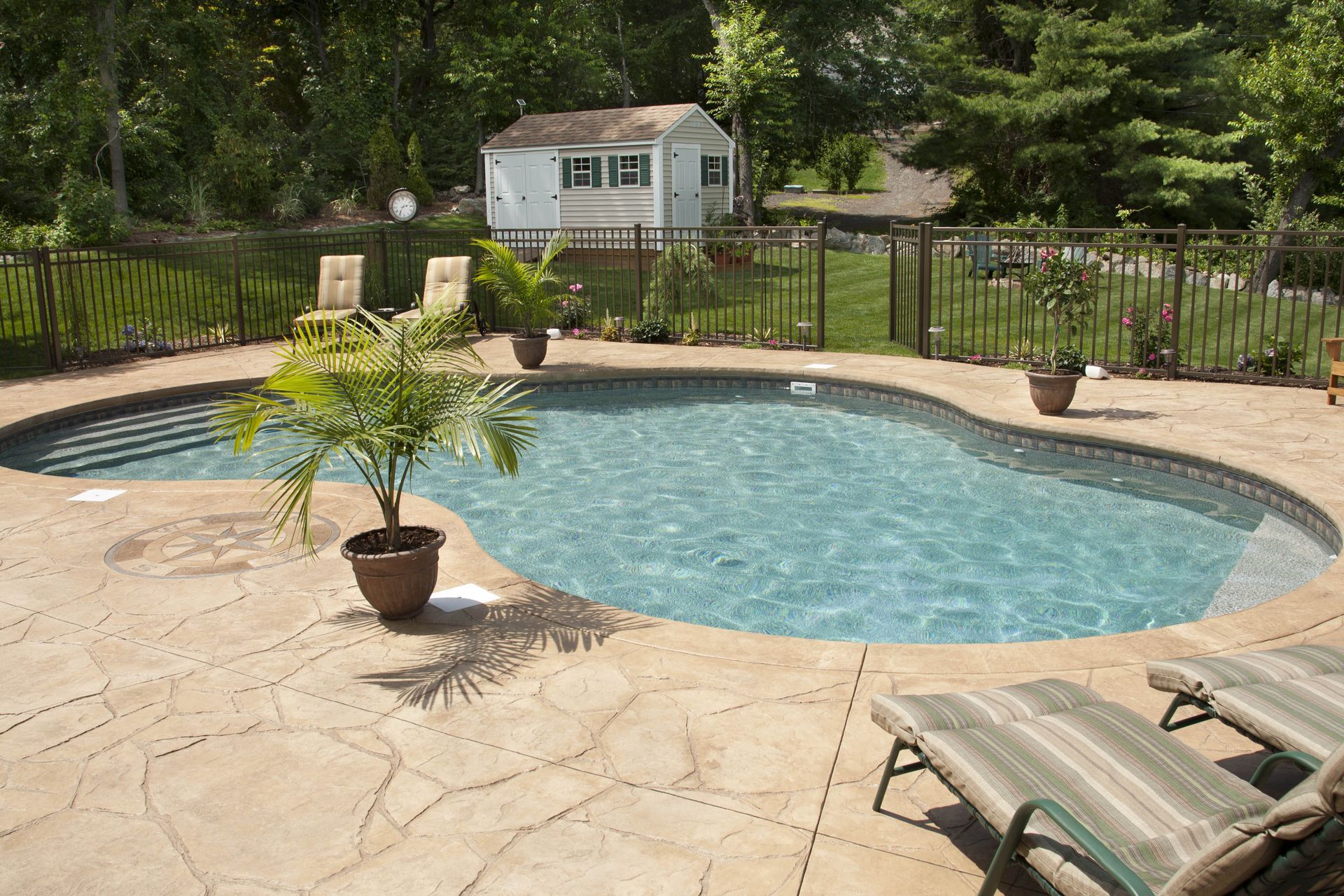
In this article, we explore the essential topic of pool maintenance, discussing the factors that influence its frequency, the types of maintenance tasks required, and the consequences of neglecting proper upkeep. Understanding when and how to perform maintenance ensures your pool remains a safe and enjoyable place for relaxation and fun. Owning a pool is a significant responsibility that requires dedication to regular maintenance practices to keep it in top condition. Failure to maintain your pool can lead to health hazards, increased costs, and reduced lifespan of your pool components. By following a systematic approach to pool maintenance, pool owners can enjoy their backyard oasis to the fullest while minimizing expenses and risks.
1. Understanding the Importance of Pool Maintenance
1.1 Health and Safety
Keeping your pool clean and properly maintained is crucial for the health and safety of everyone who uses it. Regular maintenance helps ensure that water quality is safe, minimizing the risks of waterborne illnesses and skin irritations. Unbalanced water chemistry can lead to harmful bacterial growth, posing significant health threats to swimmers. Routine checks and balances of your pool's water ensure that chlorine levels, pH, and alkalinity are within safe parameters. A well-maintained pool is not only a healthier environment but also provides peace of mind for pool owners and their guests.
1.2 Longevity of Pool Equipment
Proper pool maintenance significantly extends the life of pool equipment, such as pumps, filters, and heaters. Consistent care and routine inspections help identify potential issues early, preventing costly breakdowns and replacements. Equipment that operates within optimal conditions consumes less energy and runs more efficiently, contributing to lower utility bills. According to RenoSys, annual pool maintenance averages range from $3,000 to $6,000, which is a worthwhile investment in preserving your pool system's integrity. Proactive maintenance strategies ensure that your pool equipment functions smoothly for many years.
1.3 Environmental Impact
Maintaining a pool responsibly involves minimizing the environmental impact by reducing water and chemical usage. Regular checks and minor adjustments prevent the need for excessive draining and refilling, conserving precious water resources. Additionally, properly balanced water chemistry reduces the overuse of chemicals, lessening the impact on the surrounding environment. Employing environmentally friendly practices, such as using energy-efficient equipment and solar covers, can further enhance your pool's sustainability. A thoughtful approach to maintenance not only benefits the environment but also results in cost savings for the pool owner.
1.4 Aesthetic Appeal
Pool maintenance goes beyond ensuring basic functionality; it also plays a vital role in maintaining the aesthetic appeal of your pool area. A clean, sparkling pool is inviting, enhancing the overall ambiance of your outdoor space. Stains, algae growth, and debris accumulation can detract from your pool's appearance, making it less desirable for use and enjoyment. Regular cleaning and maintenance keep your pool looking pristine and welcoming for both family and guests. A visually appealing pool area adds significant value to your property, contributing to the overall enjoyment and satisfaction of owning a pool.
1.5 Cost Efficiency
Investing in regular pool maintenance is a cost-effective strategy to avoid expensive repairs and replacements down the line. Addressing minor issues promptly prevents them from becoming major problems that require extensive and costly interventions. As mentioned earlier, the annual maintenance cost of $3,000 to $6,000 is justified when compared to the potential expenses of neglected upkeep. Routine maintenance tasks enhance the efficiency of pool equipment, reducing operational costs and energy consumption. Keeping your pool in optimal condition helps manage expenses while maximizing the value and enjoyment of your investment.
2. Daily Pool Maintenance Tasks
2.1 Skimming Debris
Skimming debris from your pool's surface is one of the most fundamental, yet crucial, daily maintenance tasks. Leaves, dirt, insects, and other debris can quickly accumulate on the water's surface, leading to clogs in filtration systems. Regular skimming helps prevent this build-up and allows the pool's circulation and filtration systems to function efficiently. Maintaining a clutter-free water surface not only promotes cleanliness but also enhances swimmer comfort and enjoyment. Consistent skimming mitigates the risk of unsightly water conditions, supporting the overall health of your pool environment.
2.2 Checking Water Levels
Monitoring and adjusting water levels is a necessary part of daily pool maintenance to ensure proper pump and skimmer function. Water levels that are too high or too low can strain equipment, leading to inefficiency and potential damage. Ideally, the water level should be at mid-skimmer level to maintain optimal performance and circulation. Evaporation, splashing, and other factors can impact water levels, necessitating regular observations and adjustments. Proper water levels support the pool's filtration system and promote even chemical distribution, preserving the swimming experience.
2.3 Inspecting Pool Equipment
Daily inspection of pool equipment is essential for detecting potential issues before they escalate. Visual checks help identify signs of wear, leaks, or unusual noises, allowing for prompt repairs and adjustments. Fixing small problems early can prevent larger mechanical failures, saving time and money in long-term maintenance. Daily equipment checks ensure that everything runs smoothly, guaranteeing the pool is safe for use and enjoyment. Taking a few minutes each day to examine your pool's mechanical components can significantly contribute to its longevity and functionality.
2.4 Monitoring Water Chemistry
Daily monitoring of water chemistry is vital for maintaining a healthy and safe swimming environment. Changes in temperature, usage, and weather can affect chemical levels, requiring regular testing and adjustment. Consistently checking levels of chlorine, pH, and alkalinity ensures that the water remains balanced, reducing the risk of bacterial growth and skin irritations. Accurate testing helps detect potential issues and empowers pool owners to make necessary corrections in a timely manner. Maintaining balanced water chemistry is a cornerstone in preserving the overall health and usability of your pool.
2.5 General Cleaning
General cleaning encompasses not only the pool itself but also surrounding areas such as pool decks and furniture. Keeping these areas clean reduces the transfer of dirt and debris into the pool, contributing to a cleaner swimming environment. Regular sweeping and removal of clutter maintain safety standards, preventing slips, falls, and accidents. Maintaining a tidy pool area extends the usability and appeal of the pool, enhancing the overall swimming experience. Consistent attention to general cleaning tasks ensures the pool area remains a pleasant and safe space for recreation and relaxation.
3. Weekly Pool Maintenance Tasks
3.1 Brushing Pool Walls and Floor
Brushing the walls and floor of your pool is an essential weekly maintenance task that helps prevent algae and mineral build-up. Left unchecked, algae and scales can cause staining and create slippery surfaces that pose safety hazards. Regular brushing keeps the pool's surfaces clean and smooth, promoting a safe and aesthetically pleasing environment. Utilizing the appropriate brush for your pool's surface type ensures effective cleaning without damage. Consistent wall and floor brushing is key in supporting chemical treatments and prolonging the longevity of your pool surfaces.
3.2 Vacuuming the Pool
Weekly vacuuming complements brushing by removing debris and sediment from the bottom of the pool. Automatic or manual pool vacuums help maintain water clarity and hygiene by eliminating dirt, sand, and organic matter. Effective vacuuming enhances the filtration system's ability to maintain clean and inviting water. Consistently removing settled debris prevents contamination and optimizes chemical efficiency. Incorporating vacuuming into your weekly routine contributes to a sparkling, welcoming pool environment and safeguards against unwanted build-up.
Regular pool maintenance is crucial for ensuring the health, safety, and enjoyment of your pool. By following a structured maintenance schedule based on daily, weekly, monthly, and seasonal tasks, pool owners can prevent issues, extend the lifespan of their pool facilities, and maintain a beautiful and safe environment. Be sure to reach out to Mirror Lake Designs to learn more about our professional pool builder!

Share On: