

How Local Landscape Designers Plan for Seasons and Shade
Understanding the intricacies of outdoor environments requires a deep knowledge of seasonal shifts, regional microclimates, and shifting sun exposure. Expert local landscape designers masterfully craft custom environments that thrive year-round by carefully balancing these diverse environmental factors. Achieving a beautiful yard involves more than just planting attractive flowers; it requires a systematic assessment of topography, soil chemistry, and structural elements. According to Outdoor Living Today, you can increase your home's value by up to 20% with attractive landscaping, like pergolas. Property owners who invest in comprehensive outdoor planning enjoy immediate aesthetic benefits while building substantial long-term equity in their real estate assets.
Analyzing Local Climate Patterns
Effective design begins with a thorough, data-driven analysis of regional weather patterns and geographical influences. Understanding temperature fluctuations throughout the year allows local landscape designers to select plants that easily survive extreme summer heatwaves and sudden winter freezes. This proactive planning reduces long-term maintenance costs, prevents extensive plant replacement needs, and protects the structural elements of the yard. By reviewing historical climate data, experts can anticipate unusual weather spikes and safeguard delicate flora.
Precipitation trends also dictate how these experienced experts lay out complex drainage systems and custom irrigation configurations. Landscapes must balance heavy seasonal rainfall, localized flash flooding, and long periods of intense drought to prevent severe soil erosion or catastrophic root rot. Grading the land properly ensures that stormwater flows away from home foundations and toward designated collection zones, like rain gardens or dry creek beds. By studying historical weather data and soil absorption rates, professionals build resilient outdoor spaces that manage water naturally and efficiently.
Furthermore, understanding localized frost dates and the specific duration of the regional growing season allows for precise construction and planting schedules. Knowing exactly when the first and last frosts typically occur prevents premature spring planting and ensures that delicate root systems have adequate time to establish before ground freezes. This meticulous atmospheric evaluation removes the guesswork from property management, allowing structural additions like patios and outdoor kitchens to be integrated smoothly without disrupting the surrounding terrain.
Selecting Seasonally Appropriate Plants
Choosing native species is a fundamental strategy for creating enduring, ecologically responsible gardens. Native vegetation naturally adapts to regional soils, typical humidity levels, and historical weather patterns, requiring minimal supplemental watering once firmly established. These hardy choices eliminate the need for harsh chemical fertilizers and intensive pest control measures, making the property safer for families and pets. This ecological compatibility actively supports local wildlife, providing vital food and shelter for beneficial pollinators like bees and butterflies.
Integrating a diverse collection of perennials ensures continuous visual appeal and structural continuity across the changing seasons. These plants return each spring reliably, expanding their root networks beneath the surface to secure the surrounding soil against erosion. Collaborative local landscape designers often blend these dependable variations with strategic annuals to provide sudden bursts of vibrant, temporary color in highly visible focal points. This deliberate combination ensures the yard displays evolving textures and colors from early spring through late autumn.
In addition to flowering species, incorporating deciduous trees and evergreen shrubs provides necessary year-round architecture. Evergreens maintain their deep green, blue, or golden foliage through the bleakest winter months, offering privacy barriers and windbreaks when other plants drop their leaves. Deciduous trees offer a contrasting dynamic, showcasing bright green foliage in spring, rich shade in summer, and brilliant fiery hues in autumn. This balanced approach to botanical selection ensures that the property never looks barren or neglected, regardless of the calendar month.
Designing for Shade and Sun Exposure
Mapping sunlight patterns is essential for locating functional seating areas, custom garden beds, active recreation zones, and structural features. Professionals carefully track how shadows move across a property throughout the day and observe how these patterns shift between the summer and winter solstices. This critical step ensures that sun-loving plants receive adequate light to produce blooms, while delicate, shade-tolerant varieties are protected from leaf scorching. Properly positioning elements like patios and pergolas also extends the usable hours of outdoor living spaces by providing relief from afternoon heat.
Adding multi-layered canopies creates natural cooling, structural depth, and distinct microclimates within a single residential lot. Tall overstory trees, medium understory shrubs, and low groundcovers work together seamlessly to filter harsh sunlight and reduce ambient air temperatures around the home. Utilizing these natural layers helps protect sensitive understory foliage from direct heat while retaining vital ground moisture. This tiered configuration mimics natural forest ecosystems, creating a soothing, secluded atmosphere that isolates the home from neighboring noise.
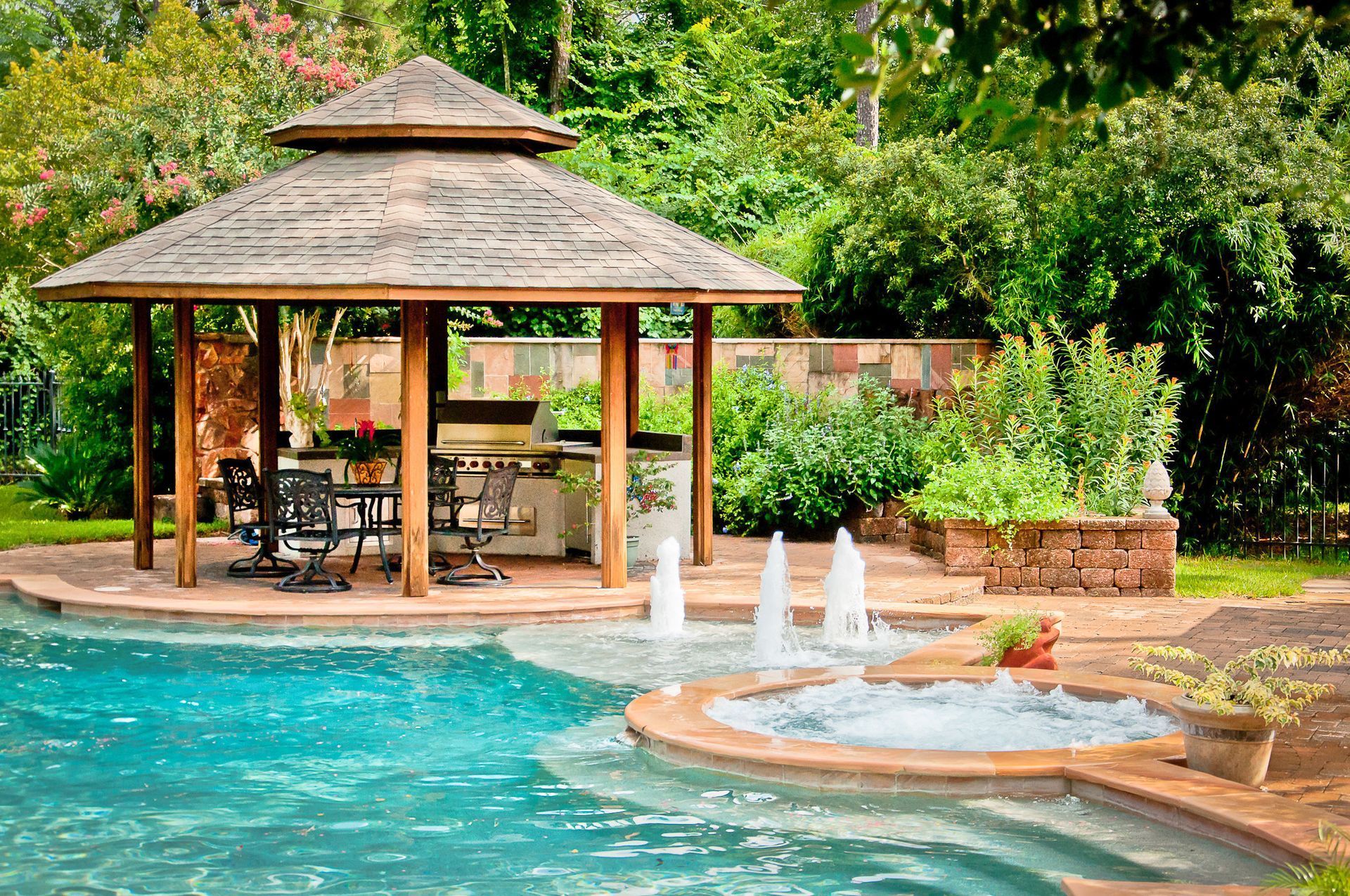
Architectural shading structures, such as customized arbors, trellises, and pavilions, complement this natural foliage to create functional outdoor rooms. These features offer immediate relief from sun exposure while climbing vines, like jasmine or wisteria, grow to provide organic coverage. Skilled design utilizes both botanical canopies and built structures to manipulate light, transforming harsh, exposed spaces into comfortable environments. This careful control of light and shadow maximizes the property's square footage, allowing families to comfortably entertain outdoors during hot summer afternoons.
Implementing Sustainability in Designs
Eco-friendly landscaping prioritizes efficient water conservation, long-term soil health, and responsible resource management. Automated drip irrigation systems and integrated rainwater harvesting setups reduce water waste by delivering precise amounts of moisture directly to plant root zones. These advanced conservation techniques keep the soil fertile, minimize weed growth between rows, and significantly reduce monthly utility expenses for property owners. Implementing smart weather sensors ensures irrigation systems deactivate automatically during rainy weather, preventing oversaturation.
Incorporating recycled, repurposed, or locally sourced construction materials further reduces environmental footprints and supports local economies.
Experienced local landscape designers choose salvaged flagstone, reclaimed timber, and organic mulches to build retaining structures, walkways, and decorative borders. This deliberate approach produces unique, character-filled features while remaining environmentally conscious and reducing transportation emissions. Using regional stone ensures that the hardscape elements match the natural geology of the surrounding area, resulting in a cohesive appearance.
Fostering biodiversity within the residential landscape creates a self-sustaining ecosystem that requires fewer human interventions over time. By mixing plant families and avoiding monocultures, designers prevent widespread pest infestations from devastating the entire yard. Creating small water features, rock gardens, and specialized nesting zones invites beneficial insects, birds, and amphibians to inhabit the space. These organisms act as natural pest control agents, keeping destructive insect populations in check while maintaining the health of the entire garden ecosystem.
Managing Maintenance Throughout the Year
Regular, well-timed maintenance schedules preserve the structural integrity, aesthetic beauty, and financial value of a custom garden. Seasonal pruning, targeted weeding, and systematic soil aeration keep plants robust and actively prevent devastating disease outbreaks. Correctly timing these tasks ensures strong, abundant blooms in upcoming growing seasons and keeps fast-growing shrubs from overcrowding pathways or blocking windows. Professional maintenance protocols address potential issues, such as blocked drainage grates or settling pavers, before they become costly structural repairs.
Winterizing the property safeguards delicate features, expensive plumbing systems, and sensitive plant roots from freezing temperatures. Insulating root zones with thick layers of organic mulch, draining underground irrigation pipes, and installing physical windbreaks protect the landscape during severe winter cold spells. Skilled local landscape designers prepare every element so the garden emerges vibrant, healthy, and ready for rapid growth when spring arrives. This protective care preserves the financial investment made in exotic specimens and delicate hardscape installations.
Creating a cohesive outdoor space requires an ongoing, professional understanding of nature's complex cycles and architectural principles. By balancing changing regional climates, dynamic sun exposure, and sustainable practices, homeowners can enjoy highly functional, eco-friendly, and breathtaking yards in every season. Partnering with dedicated professionals ensures that your property remains healthy, resilient, and visually stunning for decades to come. For more information about the services that we offer, reach out to our incredible team at Mirror Lake Designs today!
Share On: