

Outdoor Lighting Tips From a Landscape Designer
The transition from day to night should not mean the end of outdoor enjoyment. For homeowners who have invested time and resources into creating a beautiful property, strategic illumination is the key to unlocking the full potential of an outdoor living space after sunset. A professional landscape designer understands that illumination is not merely about scattering fixtures across a lawn or mounting bright floodlights on a garage. Instead, it is a delicate blend of artistry, safety engineering, and architectural highlighting. When executed correctly, a well-designed illumination plan transforms a property into a welcoming, multi-dimensional retreat that can be appreciated through every season.
Understanding the Functional Objectives of Exterior Illumination
Enhancing Safety and Visibility Throughout the Property
The primary and most critical objective of any exterior illumination plan is securing the physical safety of residents and guests. A landscape designer approaches safety by meticulously auditing the property for potential hazards that become obscured in darkness. Walkways, sudden elevation changes, transitions from grass to stone, and areas surrounding water require clear, glare-free visibility. Proper illumination ensures that steps are easily negotiable and that perimeters are clearly defined, mitigating the risk of accidental slips or missteps. Rather than flooding these areas with harsh, blinding light, a professional utilizes low-voltage, downward-directed fixtures that illuminate the walking surface while keeping the source of the light subtly hidden from direct view.
Securing the Perimeter and Preventing Intrusions
Beyond physical safety from missteps, proper illumination serves as an effective deterrent against unwanted visitors. A dark exterior provides coverage for intruders, whereas a strategically lit property eliminates blind spots and deep shadows near entryways and windows. A skilled designer balances security with aesthetics by avoiding intense, prison-style spotlights that disrupt the neighborhood and ruin the ambiance. Instead, they utilize a technique known as perimeter washing or soft uplighting against walls and boundary structures. This approach creates a continuous envelope of visibility around the residence, making the home look occupied and well-tended while simultaneously enhancing its nighttime curb appeal.
Extending the Usability of Outdoor Living Environments
An investment in outdoor living spaces should provide enjoyment around the clock, not just during daylight hours. Adequate and atmospheric lighting allows homeowners to extend their dining, entertaining, and relaxation activities well into the evening. When a professional landscape designer plans an outdoor layout, they consider how the spaces will be utilized at night. By incorporating layers of light that can be adjusted or zoned for different activities, patios, lounge areas, and recreational zones become fully functional rooms without walls. This extension of usable square footage significantly enhances the daily living experience, transforming the property into a versatile venue for evening gatherings or quiet nightcaps.
Highlighting Key Architectural and Landscape Features
Illuminating Swimming Pools and Recreational Water Zones
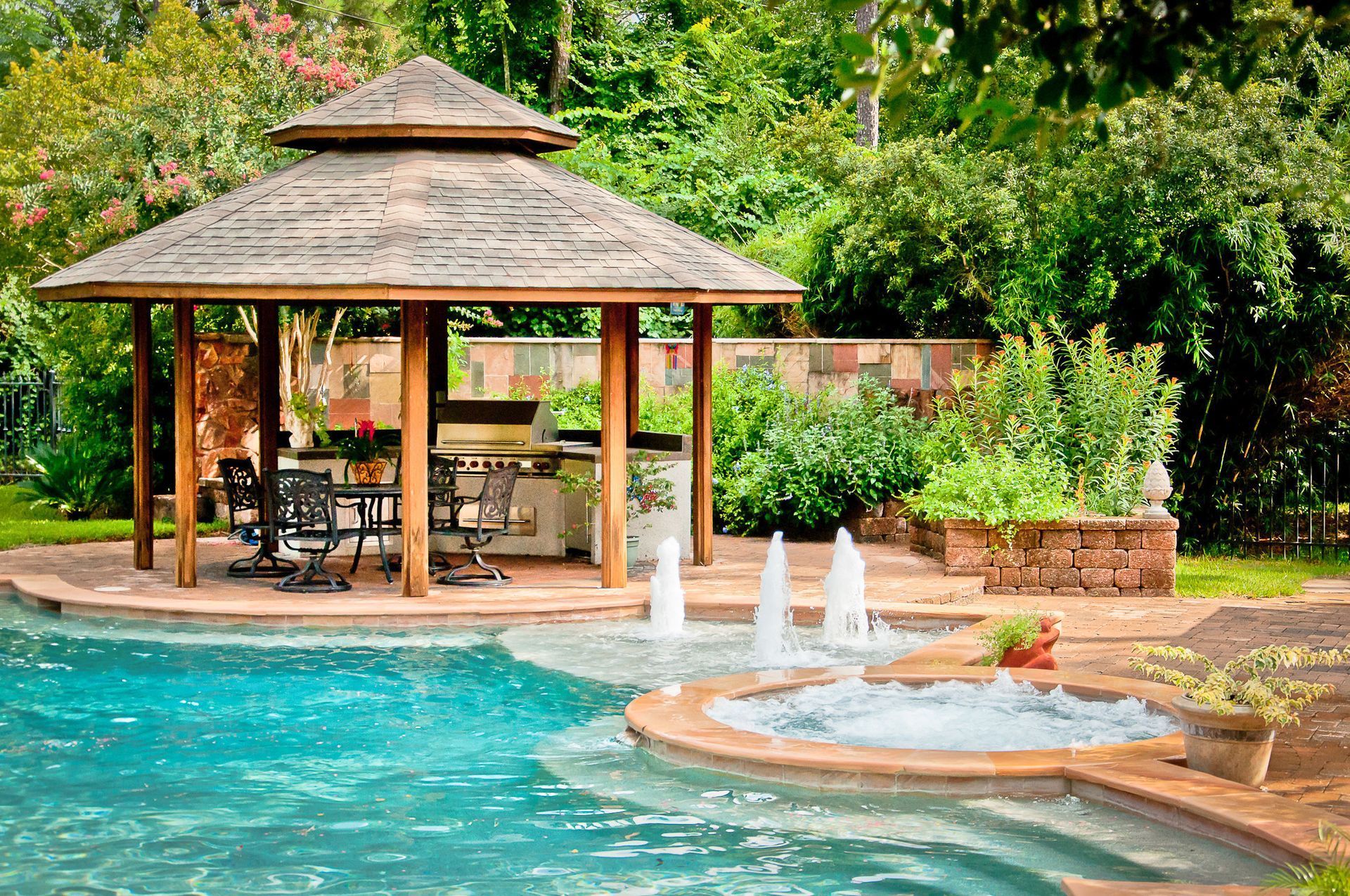
Water possesses unique reflective qualities that can be beautifully exploited with the correct technical approach. For properties featuring swimming pools, illumination must serve both sub-surface safety and above-surface beauty. A designer coordinates underwater fixtures to ensure the entire body of water glows from within, turning the pool into a stunning, luminous focal point. Above the water line, soft, ambient perimeter lights prevent the surrounding deck from disappearing into pitch-black darkness. Care is taken to position fixtures so they do not cast blinding reflections off the moving surface of the water, creating a seamless and safe environment for late-night swimming or poolside relaxation.
Accentuated Illumination for Fine Courtyards and Gathering Spaces
Enclosed or semi-enclosed spaces require a specialized touch to maintain their intimate and cozy atmosphere. In sophisticated courtyards, a landscape designer often employs a layered lighting strategy to accentuate architectural details like brickwork, archways, or climbing ivy. Downlighting, sometimes referred to as moonlighting, involves placing fixtures high up in nearby trees or architectural overhangs to cast a gentle, natural glow downward. This mimics the soft light of a full moon, filtering through leaves and casting beautiful, organic shadows on the pavement below. This technique preserves the quiet elegance of a courtyard while providing enough illumination for comfortable conversation.
Showcasing Small Pools and Compact Specialized Water Structures
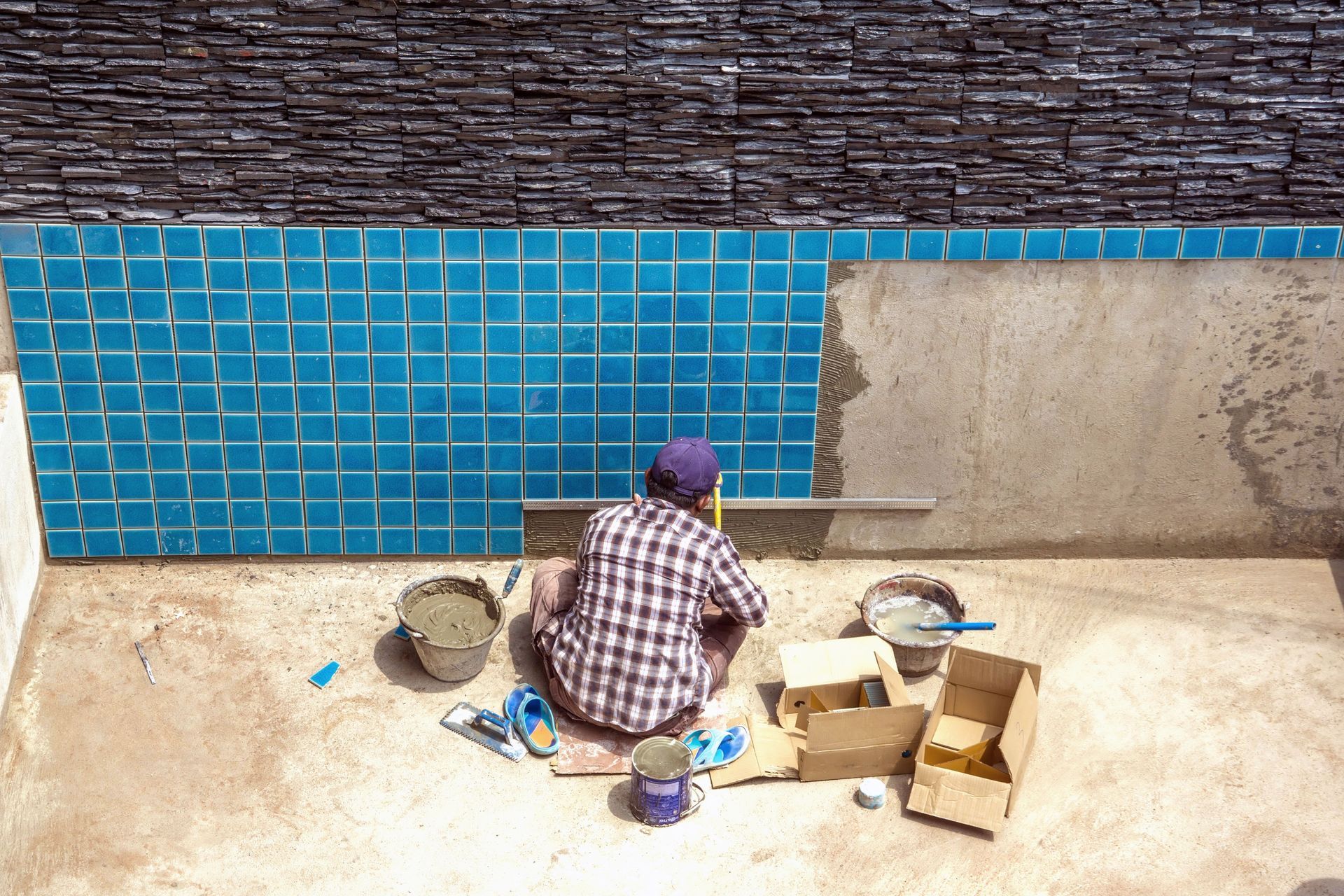
Smaller aquatic installations require a delicate scale of illumination to avoid overwhelming the space. When illuminating small pools or plunge areas, select low-lumen fixtures that emphasize the intimacy of the feature. Rather than broad floods, pinpoint accent lights can be used to highlight the texture of the interior tiling or the gentle movement of the water. This controlled approach prevents the light from bleeding into adjacent quiet zones, maintaining a balanced hierarchy of brightness across the entire yard and ensuring that even compact features feel luxurious and intentional.
Animating Dynamic Water Features and Architectural Fountains
The movement of water provides an excellent opportunity to introduce motion and drama into a nighttime landscape. For dynamic water features, such as waterfalls, cascading streams, or architectural fountains, integrate lighting directly into the path of the water flow. Placing fixtures underneath a waterfall causes the moving bubbles and currents to catch the light, creating a shimmering, dancing effect. Uplighting a fountain accentuates the height and sculpture of the water spray, transforming a daytime centerpiece into a dramatic nighttime theater piece that anchors the visual design of the entire garden.
Facilitating Nighttime Culinary Activities in Outdoor Kitchens
Cooking outdoors demands specialized task lighting that differs significantly from atmospheric garden lighting. Within outdoor kitchens, a landscape designer ensures that preparation counters, grills, and sinks are brightly and clearly illuminated from above or the side. Task fixtures must be positioned accurately to prevent the chef's own shadow from blocking the workspace. Under-counter LED strip lighting can also be utilized to illuminate storage areas and pathways, ensuring that the culinary space remains safe, highly functional, and integrated into the broader, softer lighting scheme of the entertaining area.
Incorporating Professional Design Methodologies and Principles
Balancing the Golden Rules of Cohesion and Subtle Contrast
Successful exterior illumination relies on the balance between light and shadow. A landscape designer avoids the mistake of over-lighting, which flattens the landscape and strips it of its natural depth. By intentionally leaving certain areas in shadow, professionals create a sense of mystery and contrast that guides the human eye through the property. Cohesion is achieved by ensuring that the color temperature of all bulbs is consistent, typically utilizing a warm, inviting white spectrum. This uniformity binds the separate elements of the house, garden, and recreational areas into a single, harmonious visual narrative.
Allocating Financial Resources Proportionately Based on Property Standards
When planning a comprehensive property upgrade, understanding standard financial benchmarks helps establish realistic expectations for the scope of the project. According to HomeGuide, realtors say that 5% to 15% of the total home value should be set aside for landscaping. Within this professional framework, a landscape designer allocates a strategic portion of the budget specifically toward high-quality, long-lasting illumination systems. Viewing exterior lighting as an integral part of this overall property allocation ensures that the structural elements, plantings, and nighttime features are all executed to a matching standard of quality, maximizing the long-term value of the residence.
Planning for Scalability and Structural System Longevity
A professional exterior lighting system should be engineered to adapt and endure for many years. Select high-grade, weather-resistant materials like solid brass or copper that patina naturally over time rather than corroding. Furthermore, systems are designed with oversized transformers and flexible cabling layouts, allowing for seamless expansion if new features or plantings are added to the property in the future. This forward-thinking approach ensures that the initial structural infrastructure remains viable as the garden matures and the homeowners' needs evolve.
Transforming an outdoor environment into a nighttime oasis requires a sophisticated understanding of art, safety, and structural design. From the crisp task lighting required in outdoor kitchens to the magical, undulating glow within swimming pools, every choice made impacts how a property feels after dark. Engaging a professional
landscape designer ensures that these diverse elements are woven together into a safe, cohesive, and beautiful system. If you would like advice for your own home, contact Mirror Lake Designs today for reliable landscape designers who know their way around exterior lighting.

Share On: